Visit our Specials and Discounts page to see what promotions we're currently offering!
Learn MoreVisit our Specials and Discounts page to see what promotions we're currently offering!
Learn More
Unlocking the Healing Power of Canine Allogenic PRP: What Pet Owners Should Know
- posted: Apr. 17, 2025
In recent years, regenerative medicine has made remarkable strides in veterinary care, especially in the treatment of orthopedic injuries, joint disease, and chronic pain. One innovative therapy gaining attention in the canine world is allogenic Platelet-Rich Plasma (PRP). If you're a pet owner looking for cutting-edge options to help your dog recover from injury or manage degenerative conditions, here’s what you need to know about this promising treatment.
What Is PRP, and How Does It Work?
PRP stands for Platelet-Rich Plasma, a component of blood that is rich in platelets and growth factors known to support tissue healing and regeneration. Traditionally, PRP has been derived from the patient’s own blood—a method known as autologous PRP.
However, with allogenic PRP, the plasma is harvested from a healthy donor dog rather than the patient. It is carefully processed, sterilized, and tested to ensure safety before being used in other canine patients. This makes it an excellent option when:
The patient is too small, sick, or weak to donate their own blood
A rapid treatment is needed without the time delay of processing autologous PRP
Consistency and standardization of PRP quality are important
What Are the Benefits of Canine Allogenic PRP?
Allogenic PRP brings all the regenerative benefits of traditional PRP, with a few added advantages:
Accelerated Healing: PRP promotes faster tissue repair, particularly in tendons, ligaments, muscles, and joints.
Pain Relief: It has been shown to reduce inflammation, offering relief for dogs suffering from conditions like osteoarthritis.
No Blood Draw Needed from Your Pet: This can be especially beneficial for small breeds, older dogs, or pets with other health conditions.
Standardized Quality: Because donor blood is collected under controlled conditions, the consistency and concentration of platelets can be higher and more predictable.
Common Uses for Allogenic PRP in Dogs
Veterinarians may recommend allogenic PRP as part of a treatment plan for:
Osteoarthritis
Cranial Cruciate Ligament (CCL) injuries
Hip and elbow dysplasia
Tendon or ligament injuries
Post-surgical healing
It may be used alone or in combination with other regenerative therapies like stem cell treatments or laser therapy.
Is Allogenic PRP Safe for My Dog?
Yes—when prepared and administered by trained veterinary professionals, allogenic PRP is considered safe. The plasma is thoroughly screened and processed to minimize the risk of immune reactions or disease transmission. Most dogs tolerate the injections well, with only mild and temporary soreness at the injection site being the most common side effect.
What to Expect During and After Treatment
Treatment typically involves injecting the PRP directly into the affected joint or soft tissue area. This is often done under sedation or a brief anesthesia. After the procedure:
Your dog may need to rest for a few days.
Improvement may be seen within days to weeks.
Some dogs may benefit from repeated treatments over time, depending on the condition.
Final Thoughts
Canine allogenic PRP represents an exciting advancement in veterinary medicine, offering a safe, effective, and minimally invasive option to help your dog heal naturally. Whether your dog is recovering from surgery or struggling with arthritis, PRP could be a powerful tool in their recovery journey.
If you think your dog might be a candidate for allogenic PRP, talk to your veterinarian about whether this innovative therapy is right for them.
Disclaimer:
This article was created using trusted resources and AI technology. Its content has been reviewed and vetted (ha!) by the veterinarian and medical director of TLC Animal Hospital. The content in this article is intended for educational and informational purposes only. It is not a substitute for a veterinary examination, diagnosis, or treatment plan. Always consult with your veterinarian for individualized medical advice and care specific to your pet’s needs.
- posted: Apr. 17, 2025
In recent years, regenerative medicine has made remarkable strides in veterinary care, especially in the treatment of orthopedic injuries, joint disease, and chronic pain. One innovative therapy gaining attention in the canine world is allogenic Platelet-Rich Plasma (PRP). If you're a pet owner looking for cutting-edge options to help your dog recover from injury or manage degenerative conditions, here’s what you need to know about this promising treatment.
What Is PRP, and How Does It Work?
PRP stands for Platelet-Rich Plasma, a component of blood that is rich in platelets and growth factors known to support tissue healing and regeneration. Traditionally, PRP has been derived from the patient’s own blood—a method known as autologous PRP.
However, with allogenic PRP, the plasma is harvested from a healthy donor dog rather than the patient. It is carefully processed, sterilized, and tested to ensure safety before being used in other canine patients. This makes it an excellent option when:
The patient is too small, sick, or weak to donate their own blood
A rapid treatment is needed without the time delay of processing autologous PRP
Consistency and standardization of PRP quality are important
What Are the Benefits of Canine Allogenic PRP?
Allogenic PRP brings all the regenerative benefits of traditional PRP, with a few added advantages:
Accelerated Healing: PRP promotes faster tissue repair, particularly in tendons, ligaments, muscles, and joints.
Pain Relief: It has been shown to reduce inflammation, offering relief for dogs suffering from conditions like osteoarthritis.
No Blood Draw Needed from Your Pet: This can be especially beneficial for small breeds, older dogs, or pets with other health conditions.
Standardized Quality: Because donor blood is collected under controlled conditions, the consistency and concentration of platelets can be higher and more predictable.
Common Uses for Allogenic PRP in Dogs
Veterinarians may recommend allogenic PRP as part of a treatment plan for:
Osteoarthritis
Cranial Cruciate Ligament (CCL) injuries
Hip and elbow dysplasia
Tendon or ligament injuries
Post-surgical healing
It may be used alone or in combination with other regenerative therapies like stem cell treatments or laser therapy.
Is Allogenic PRP Safe for My Dog?
Yes—when prepared and administered by trained veterinary professionals, allogenic PRP is considered safe. The plasma is thoroughly screened and processed to minimize the risk of immune reactions or disease transmission. Most dogs tolerate the injections well, with only mild and temporary soreness at the injection site being the most common side effect.
What to Expect During and After Treatment
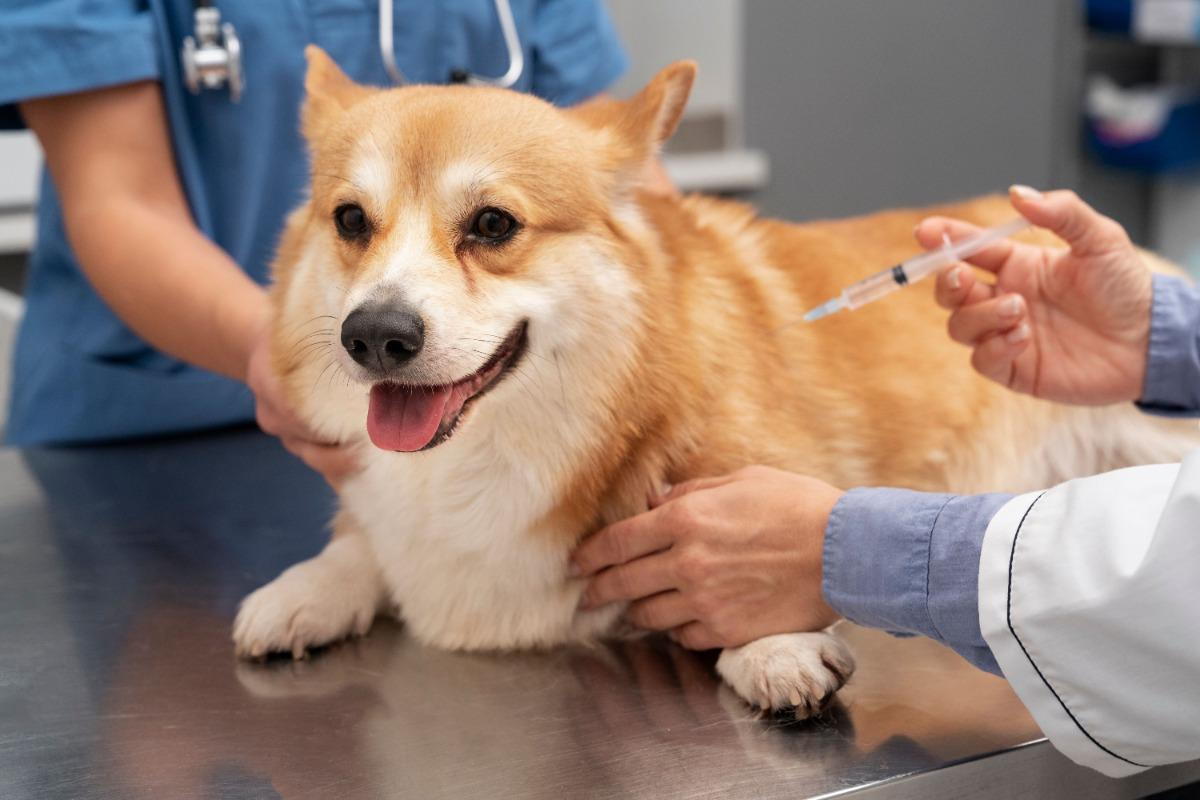
Treatment typically involves injecting the PRP directly into the affected joint or soft tissue area. This is often done under sedation or a brief anesthesia. After the procedure:
Your dog may need to rest for a few days.
Improvement may be seen within days to weeks.
Some dogs may benefit from repeated treatments over time, depending on the condition.
Final Thoughts
Canine allogenic PRP represents an exciting advancement in veterinary medicine, offering a safe, effective, and minimally invasive option to help your dog heal naturally. Whether your dog is recovering from surgery or struggling with arthritis, PRP could be a powerful tool in their recovery journey.
If you think your dog might be a candidate for allogenic PRP, talk to your veterinarian about whether this innovative therapy is right for them.
Disclaimer:
This article was created using trusted resources and AI technology. Its content has been reviewed and vetted (ha!) by the veterinarian and medical director of TLC Animal Hospital. The content in this article is intended for educational and informational purposes only. It is not a substitute for a veterinary examination, diagnosis, or treatment plan. Always consult with your veterinarian for individualized medical advice and care specific to your pet’s needs.
Office Hours
Monday
8:00 AM - 5:30 PM
Tuesday
8:00 AM - 5:30 PM
Wednesday
8:00 AM - 5:30 PM
Thursday
8:00 AM - 5:30 PM
Friday
8:00 AM - 5:30 PM
Saturday
8:00 AM - 12:00 PM
Sunday
Closed
Walk In Hours
In case of emergency or an urgent health need after posted walk-in times, please call or consult with the front desk to check doctor availability
Monday
8:00 am - 4:30 pm
Tuesday
8:00 am - 4:30 pm
Wednesday
8:00 am - 4:30 pm
Thursday
8:00 am - 4:30 pm
Friday
8:00 am - 4:30 pm
Saturday
8:00 am - 10:00 am
Sunday
Closed