Visit our Specials and Discounts page to see what promotions we're currently offering!
Learn MoreVisit our Specials and Discounts page to see what promotions we're currently offering!
Learn More
Egg Binding in Birds: Prevention and Tips to Manage Egg Laying
- posted: Jan. 03, 2026
Introduction
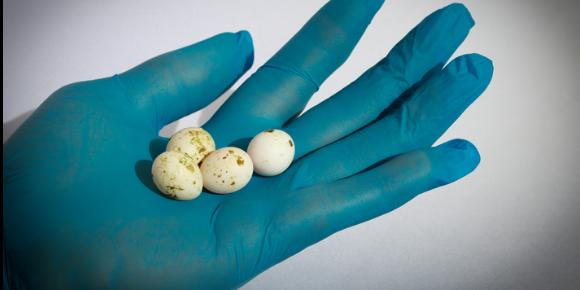
Egg binding is a serious reproductive emergency in pet birds, particularly small species like budgies, cockatiels, and lovebirds. It occurs when a bird is unable to pass an egg, which can lead to life-threatening complications. At TLC Animal Hospital in El Paso, TX, we see many cases of egg binding that could have been prevented with some simple nutritional, environmental, and behavioral changes. We will discuss the causes, signs, and prevention strategies to help you keep your feathered friend healthy and safe.
What is Egg Binding?
Egg binding occurs when a female bird is unable to pass an egg through her reproductive tract. It can be caused by poor diet, lack of exercise, hormonal imbalance, calcium deficiency, or excessive egg laying. Left untreated, egg binding can result in exhaustion, infection, organ damage, or death.
Signs of Egg Binding
Recognizing symptoms early can save your bird’s life. Look for:
- Straining or tail bobbing
- Lethargy or sitting at the bottom of the cage
- Fluffed feathers and closed eyes
- Swollen abdomen or distended vent
- Difficulty breathing or weakness
- Loss of appetite
Seek veterinary care immediately if you suspect egg binding.
How to Stop Excessive Egg Laying
Reducing hormonal stimulation and modifying your bird’s environment are key to controlling egg production. Here are effective strategies:
- Alter the Light/Dark Cycle: Reduce daylight to 8 hours per day for two weeks. Then, gradually increase the light exposure by 30 minutes each week until reaching a stable 12-hour light/12-hour dark cycle.
- Avoid Petting the Back or Sides: These areas are sexually stimulating and can trigger egg-laying behavior. Stick to gentle head scratches only.
- Avoid Hand Feeding and Mouth Kisses: These behaviors simulate bonding and courtship.
- Remove Nesting Boxes and Sites: Eliminate anything perceived as a nesting area—boxes, huts, and dark corners.
- Rearrange Cage Furniture: This disrupts nesting behavior and reduces territorial instincts.
Support Your Bird’s Health
If your bird is actively laying or recovering from egg binding, ensure:
- Adequate calcium supplementation
- A balanced diet with pellets and greens
- Regular veterinary checkups
- Hormone implants to prevent further egg laying may be recommended by your veterinarian
TLC Animal Hospital is Here to Help
Our team can assist with reproductive health evaluations, dietary counseling, and hormone-reducing treatments when necessary.
Worried about egg laying in your bird? Call TLC Animal Hospital in El Paso at (915) 592-6200 to book a wellness exam.
- posted: Jan. 03, 2026
Introduction
Egg binding is a serious reproductive emergency in pet birds, particularly small species like budgies, cockatiels, and lovebirds. It occurs when a bird is unable to pass an egg, which can lead to life-threatening complications. At TLC Animal Hospital in El Paso, TX, we see many cases of egg binding that could have been prevented with some simple nutritional, environmental, and behavioral changes. We will discuss the causes, signs, and prevention strategies to help you keep your feathered friend healthy and safe.
What is Egg Binding?
Egg binding occurs when a female bird is unable to pass an egg through her reproductive tract. It can be caused by poor diet, lack of exercise, hormonal imbalance, calcium deficiency, or excessive egg laying. Left untreated, egg binding can result in exhaustion, infection, organ damage, or death.
Signs of Egg Binding
Recognizing symptoms early can save your bird’s life. Look for:
- Straining or tail bobbing
- Lethargy or sitting at the bottom of the cage
- Fluffed feathers and closed eyes
- Swollen abdomen or distended vent
- Difficulty breathing or weakness
- Loss of appetite
Seek veterinary care immediately if you suspect egg binding.
How to Stop Excessive Egg Laying
Reducing hormonal stimulation and modifying your bird’s environment are key to controlling egg production. Here are effective strategies:
- Alter the Light/Dark Cycle: Reduce daylight to 8 hours per day for two weeks. Then, gradually increase the light exposure by 30 minutes each week until reaching a stable 12-hour light/12-hour dark cycle.
- Avoid Petting the Back or Sides: These areas are sexually stimulating and can trigger egg-laying behavior. Stick to gentle head scratches only.
- Avoid Hand Feeding and Mouth Kisses: These behaviors simulate bonding and courtship.
- Remove Nesting Boxes and Sites: Eliminate anything perceived as a nesting area—boxes, huts, and dark corners.
- Rearrange Cage Furniture: This disrupts nesting behavior and reduces territorial instincts.
Support Your Bird’s Health
If your bird is actively laying or recovering from egg binding, ensure:
- Adequate calcium supplementation
- A balanced diet with pellets and greens
- Regular veterinary checkups
- Hormone implants to prevent further egg laying may be recommended by your veterinarian
TLC Animal Hospital is Here to Help
Our team can assist with reproductive health evaluations, dietary counseling, and hormone-reducing treatments when necessary.
Worried about egg laying in your bird? Call TLC Animal Hospital in El Paso at (915) 592-6200 to book a wellness exam.
Office Hours
Monday
8:00 AM - 5:30 PM
Tuesday
8:00 AM - 5:30 PM
Wednesday
8:00 AM - 5:30 PM
Thursday
8:00 AM - 5:30 PM
Friday
8:00 AM - 5:30 PM
Saturday
8:00 AM - 12:00 PM
Sunday
Closed
Walk In Hours
In case of emergency or an urgent health need after posted walk-in times, please call or consult with the front desk to check doctor availability
Monday
8:00 am - 4:30 pm
Tuesday
8:00 am - 4:30 pm
Wednesday
8:00 am - 4:30 pm
Thursday
8:00 am - 4:30 pm
Friday
8:00 am - 4:30 pm
Saturday
8:00 am - 10:00 am
Sunday
Closed